“We don’t talk enough about assonance”: Teenage Insights into “Beowulf”

John complains, “We don’t talk enough about assonance.” So true.  I imagine all 14-year-olds have the same complaint at home.

By pure coincidence (or is it???), he is studying in 9th grade the same material I am teaching this semester: Gilgamesh, Beowulf, and John Gardner’s Grendel.  In school when discussing Beowulf, they learned about alliteration, caesura, and kennings, those compact, compound metaphors like “whale-road” or “seal-path” for the ocean.  In John’s class, they came up with “Couch potato.”
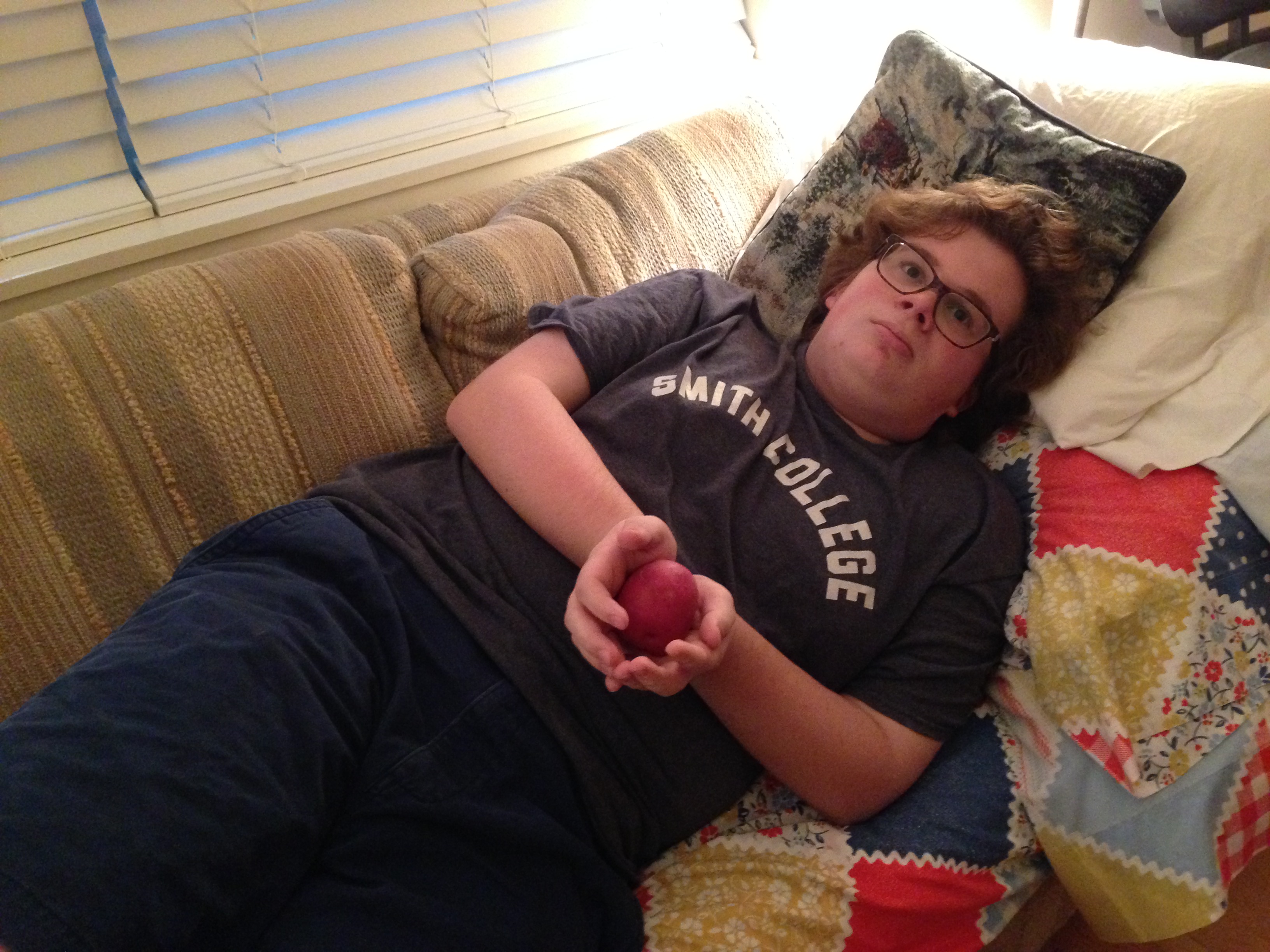
Reverent Couch Potato. Note the potato. And the couch. And the reverence. Performed by John C. Kilfoyle.

Reverent Couch Potato. Note the potato. And the couch. And the reverence. Performed by John C. Kilfoyle. Not the beatific coach potato below.

And “eye candy.”

Eye Candy. As performed by John C. Kilfoyle.

Eye Candy. As performed by John C. Kilfoyle.

They saw the meadhall as a place of sanctuary violated by Grendel, and women as peace-weavers. As one of their projects, they can write their own boast.  After all, in Anglo-Saxon culture it seems that you can boast as long as you can fulfill that arrogant vow.

His fellow students commented on how John can pronounce the king’s name.  It’s Hrothgar, which can be a mouthful.  Fortunately, John has studied German, so that helps with the sound of Old English.

In John’s class, they broke up into 5 groups, each one examining a different aspect of the work. This is what each group came up with.

  1. John’s group compared Hrothgar, Beowulf, and Wiglaf as kings (or potential king in the case of Wiglaf).  Hrothgar was ideal king, they decided.  He takes the glory, but gives it out too.  John points out the king should be humble.  Being humble is not the warrior’s job.  Beowulf is a good king, but still had the warrior’s instinct after 50 years, so killed the dragon.  Pride had overtaken him. Wiglaf has both warrior and kingly instincts.
  2. Did Beowulf goes on a hero’s journey according the hero cycle model?  This group decided that he doesn’t quite, since pride is his downfall in the last third of the poem.  Pride helps the warrrior, but proves his downfall against the dragon.  As a king, pride is what kills him. A good flaw becomes a bad flaw.
  3. Group 3 examined Beowulf’s transition from warrior to king.  While his warrior past ultimately kills him, he became king in the first place because he’s the last good man standing.
  4. This group did a literary analysis comparing how the 3 authors influenced the story: the monk scribe, the scop (minstrel or poet-singer) within the poem, and Seamus Heaney the translator. They decided the monk added God; the scop made it all grander than it was; and Heaney word choice moved us.
  5. Several speeches were chosen for the groups to analyze: from Beowulf, Hrothgar, and Wiglaf.  The students considered how the speeches reflect each character.

I think it’s amazing that a high school (9th grade!) has such sophisticated activities and material for its students. Thank you, LASA!
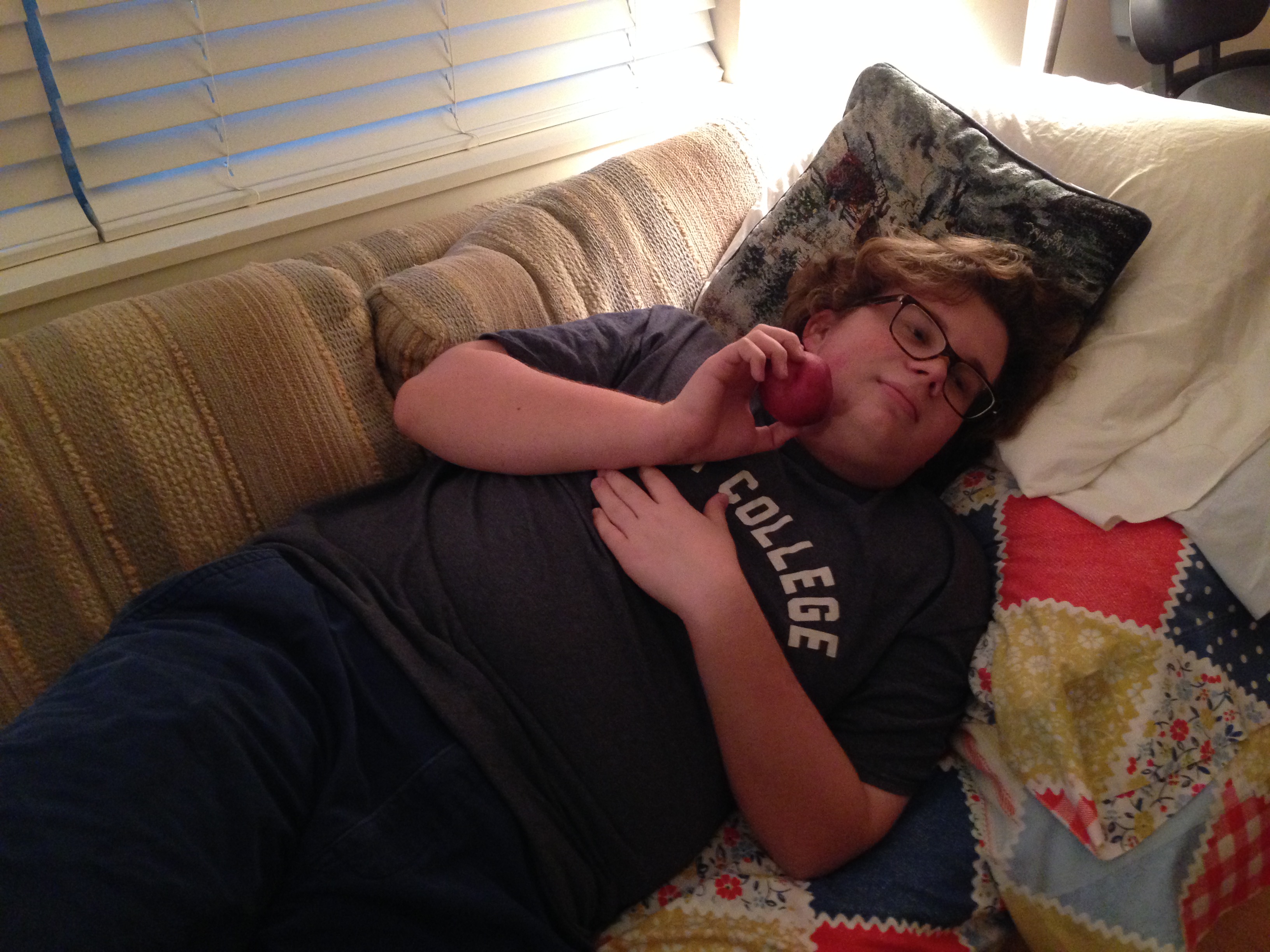
Beatific Couch Potato. Note the potato. And the couch. And the beatitude. Performed by John C. Kilfoyle.

Beatific Couch Potato. Note the potato. And the couch. And the beatitude. Performed by John C. Kilfoyle.

#grendelsmotherthenovel

Follow me on Twitter: @medievalwomen
Launching the Longship of Grendel’s Mother

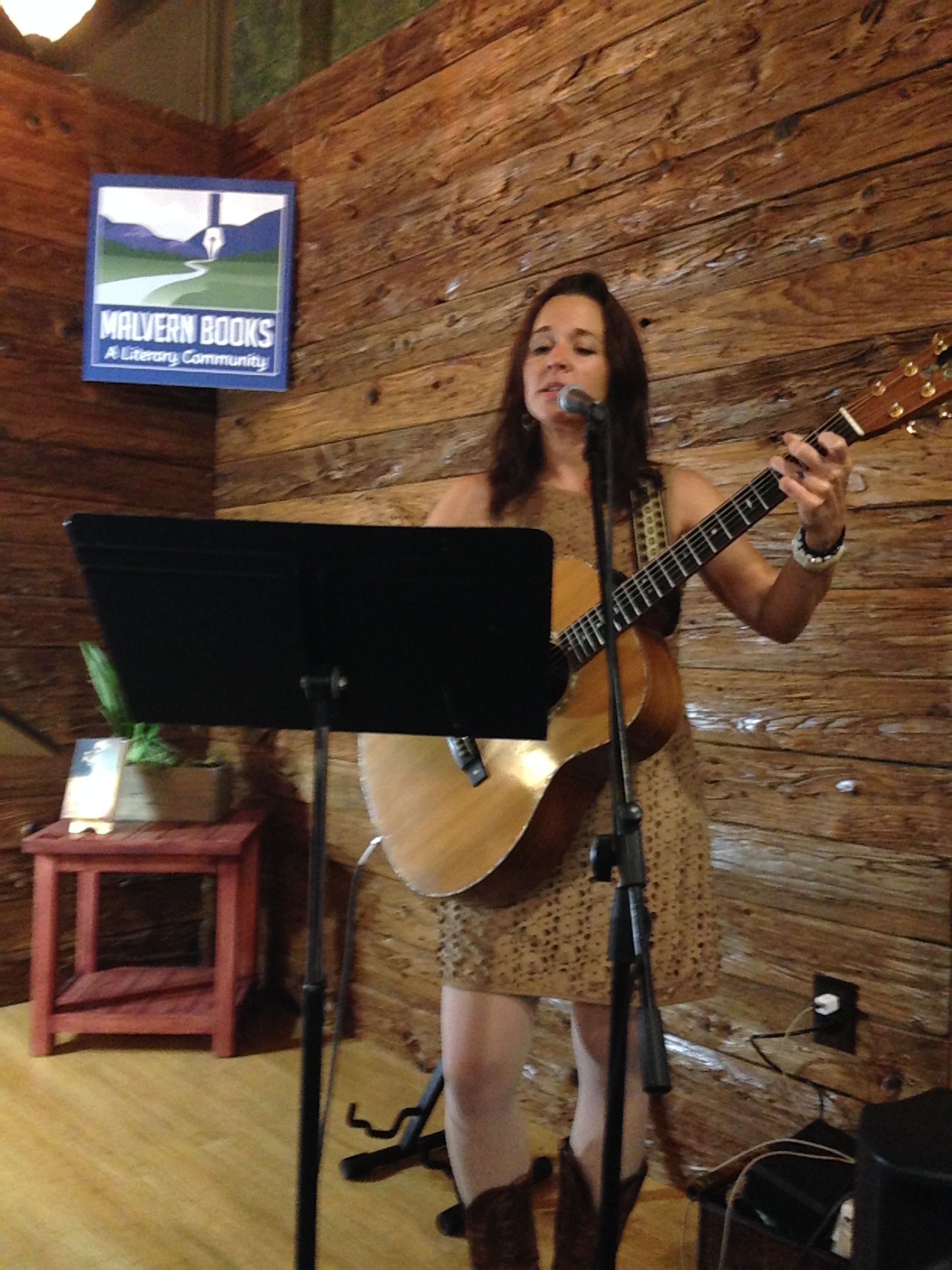
So many people help make a book launch. The writer, of course.  But she relies on so many friends, students, colleagues and, needless to say, family members.  First up: the incandescent Sarah McSweeney, singer extraordinaire!

Sarah McSweeney. She is a gorgeous singer: so moving and lyrical. Thank you, Sarah!

Sarah McSweeney. She is a gorgeous singer: so moving and lyrical. Thank you, Sarah! See her website for more information and to hear one of her songs.

She even put one of my poems to music and had the entire audience mesmerized, with tears in their eyes.  Rendering a female slave’s poignant wishes as a musical piece, piercing the night with her clear, lucid voice, Sarah invited us into a space of magic and somber eloquence. Once the recorded event is available, I will share her song with you.

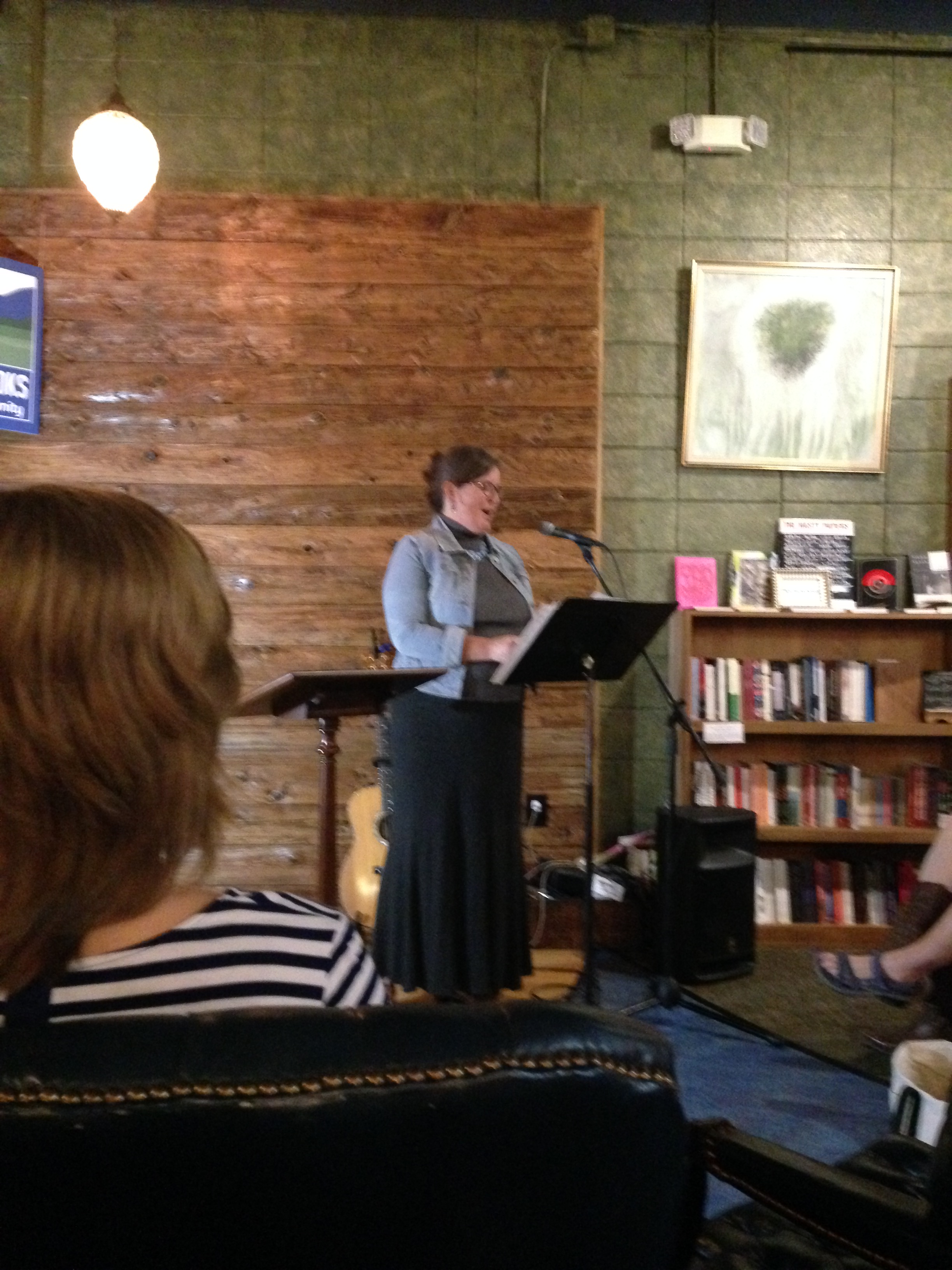
Then there’s my dear friend, Laura Sajbel, who agreed to introduce me.

Laura Cottam Sajbel: so warm and inviting. Everyone wants to enter her meadhall for entertainment!

Laura Cottam Sajbel: so warm and inviting. Everyone wants to enter her meadhall for entertainment! Read about her books here.

I knew she was the ideal choice–warm, friendly, and utterly savvy about the Austin book scene. Laura certainly delivered–even having us all chuckling (of course, any mention of Chaucer’s Fecopoetics usually knocks them dead!).  And she is a fellow “Wyrd-Wife” in my neighborhood.  Maybe we need to make a Wyrd-Wife club.  I even got her a weird plant in thanks.  This does look weird, doesn’t it?

Anthurium. Weird plant. It's also called "Lace Leaf." Alliteration! Is that a coincidence? I think not!

Anthurium. Weird plant. It’s also called “Lace Leaf.” Alliteration! Is that a coincidence? I think not!

We cannot forget the bookstore, Malvern Books.  It’s an amazing place, with curated books from around the world.  If you want to find world literature translated into English in aesthetically tactile editions, this is the place for you. Also, they feature local authors, poetry, and a super noir collection. Please support them!

Here I am standing outside Malvern Books before the event.

Here I am standing outside Malvern Books before the event.

I really enjoyed the reading.  Part prose, part poetry, part participation with the public (see all the alliteration?), I had a blast.  Fortunately, the audience seemed to also!

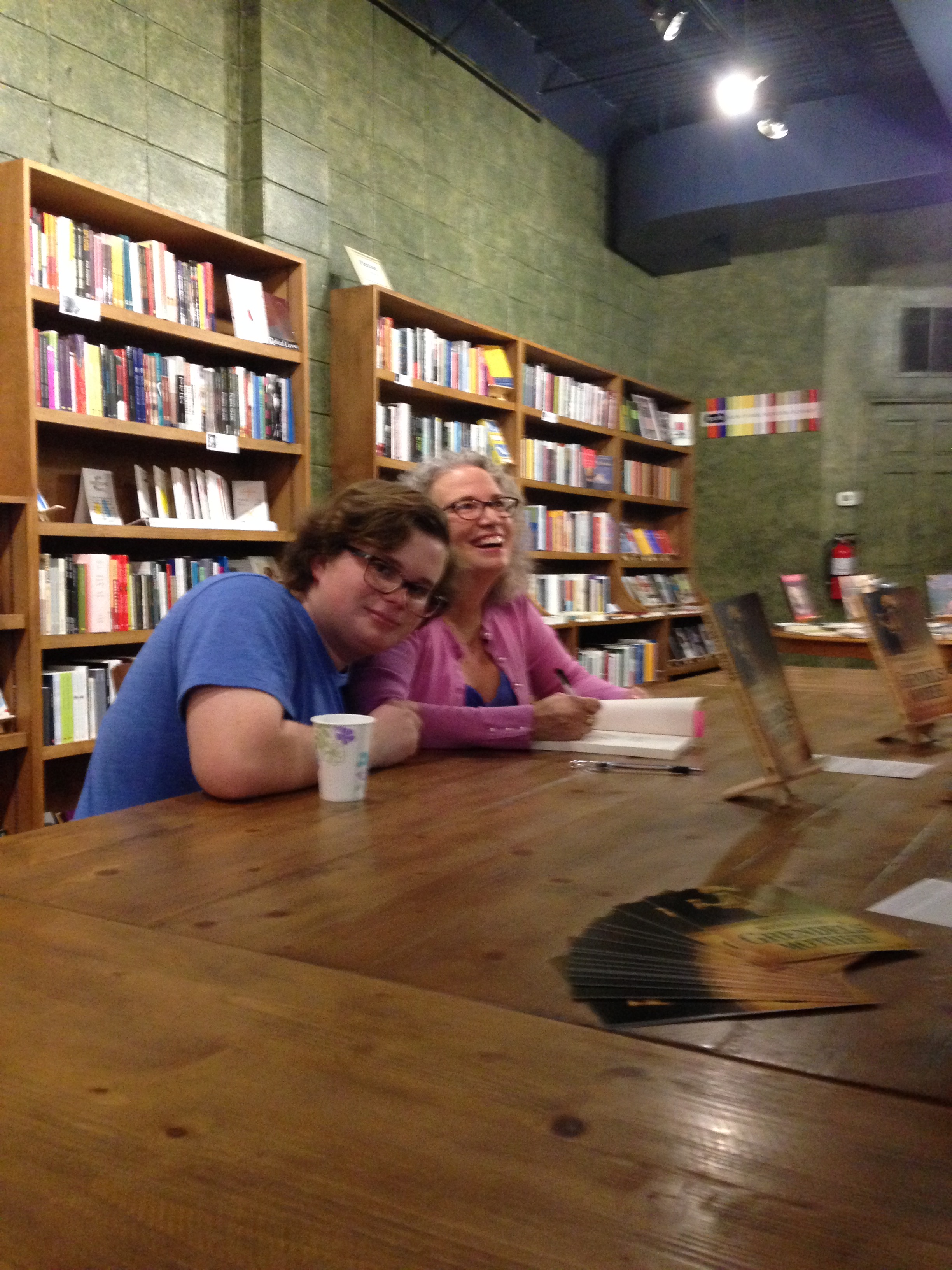
Of course, I want to thank my husband, Jim, and son, John, who carried books and “had” to drink some ale (or, in John’s case, Scylding Soda and Scop Coke) in a local meadhall after the event.  They are always long-suffering.

John hamming it up. He had to read half of John Gardner's Grendel that night for his English class. Instead poor John had to go drink a Coke with her parents and friends. Sorry, John!

John hamming it up. He was supposed to read half of John Gardner’s Grendel that night for his English class. Instead, poor John had to go drink a Coke with his parents and friends. Sorry, John!

And to all the friends, students (!!!), and colleagues who came:  Thank you all!

Come to Malvern Books for the Book Launch, Thursday Oct. 22

I’ll be launching Grendel’s Mother: The Saga of the Wyrd-Wife at Malvern Books in Austin, TX on Thursday, October 22nd, from 7 p.m — 8 p.m. Please let anyone know about it who loves Beowulf–or feminist revisions of established stories.

You can read more about the event here.

There will even be music provided by the wonderful singer-songwriter Sarah McSweeney.

Sarah McSweeney

Sarah McSweeney

Music, poetry, and prose: what could be more typically Austin?

Here are directions to Malvern Books, just north of the campus of the University of Texas at 613 West 29th Street, Austin, TX 78705, Ph: 512-322-2097.

#grendelsmotherthenovel

Follow me on Twitter: @medievalwomen


What’s So Medieval About Texas?

I was very happy to do a reading and signing of my new book, Grendel’s Mother: The Saga of the Wyrd-Wife, at the annual Texas Medieval Association Conference,TEMA Logo2 (1)held for the first time at Texas State University. My amazing colleague, Yasmine Beale-Rivaya, was tireless in organizing the event, along with many others.

My reading was especially meaningful because I got to share my novel with fellow medievalists and Anglo-Saxonists.

I appreciate everyone’s enthusiasm and support. I was especially touched to be introduced by my dauntless college, Rob Tally. Thanks, Rob!

I am always happy to see graduate students present papers. Sometimes they are doing so for the first time. I’m so proud of them.

Congratulations to all these great students!

We couldn’t have had the conference without the dauntless work of volunteers.

It was fun with colleagues from Texas State and around the world.

I’m so glad we could welcome you to our lovely campus and look forward to seeing you back here in 2019!

Thanks to Deanna and Whitney for taking some of these photos!

Follow me on Twitter: @medievalwomen #grendelsmotherthenovel

Is it Austin? Or Paris? Signing books at the Texas Book Festival

I signed copies of Grendel’s Mother: The Saga of the Wyrd-Wife and Home Front Girl: A Diary of Love, Literature, and Growing Up in Wartime America at the Texas Book Festival sitting at the Texas Writers’ League Booth. It was so much fun! I felt as though I was sitting on the Champs Ellysees watching the world go by. 

I was there with a number of other Texas writers on Sunday, October 18th.  Among them, the ultra talented Bernadette Nason, a terrific actress, story-teller and writer. She and I always have a hoot of a time together.

With the marvelous Bernadette Nason.

With the marvelous Bernadette Nason.

The weather was perfect, we had a gorgeous view of the Capitol grounds, and everyone was friendly and happy.  What an ideal event.

I like my set-up here. One of the charming volunteers and fellow members helped me.

I like my set-up here. One of the charming volunteers and fellow members helped me.

I hope you enjoyed the Texas Book Festival!

Follow me on Twitter: @medievalwomen

 

250 High Schoolers, the Old English “Onion” Riddle, and Me

My darling son, John, attends a wonderful high school. By sheer coincidence, his amazing English teacher, Ms. Michriky, is teaching Beowulf and John Gardner’s Grendel this fall–just as my novel Grendel’s Mother is being released. John’s teacher and her colleague, Ms. Icaro, asked me to come talk to a class…er…classes…er….as many as 250 freshmen. What a joy it turned out to be today when I visited!

IMG_2015

I prepared a PowerPoint that was interactive. At one point, I had the students translate “Baby Old English” exercises together.

Of course, I had to read them Riddle 25, “The Onion.” Here is it:

Is it an onion? Or could it be something else?

Is it an onion? Or could it be something else?

I am a wondrous creature: to women a thing of joyful expectation, to close-lying companions serviceable. I harm no city-dweller excepting my slayer alone. My stem is erect and tall—I stand up in bed—and whiskery somewhere down below. Sometimes a countryman’s quite comely daughter will venture, bumptious girl, to get a grip on me. She assaults my red self and seizes my head and clenches me in a cramped place. She will soon feel the effect of her encounter with me, this curly-locked woman who squeezes me. Her eye will be wet.

Needless to say, this group of 250 14- and 15-year-olds loved it! I asked them what the answer to the riddle was.  One brave girl ventured, “A boy part!” Everyone laughed. I pretended to be shocked. “A monk wrote it down.  Of course, it’s an onion.”  Tee hee.

This is an advanced school. Not only are they reading Beowulf and Grendel–and in the future, I hope, Grendel’s Mother–they also read the ancient Sumerian epic Gilgamesh.

This translation by Stephen Mitchell is fabulous. It's the one I use when teaching.

This translation by Stephen Mitchell is fabulous. It’s the one I use when teaching.

In my PowerPoint, I even included “authentic” images of the Neolithic  period.

Slide06

An almost 15-old-year when he was a young Bronze Age lad. The students cheered John every time he showed up in these images! He even got a wolf whistle.

Much hilarity and learning by all.

Slide11

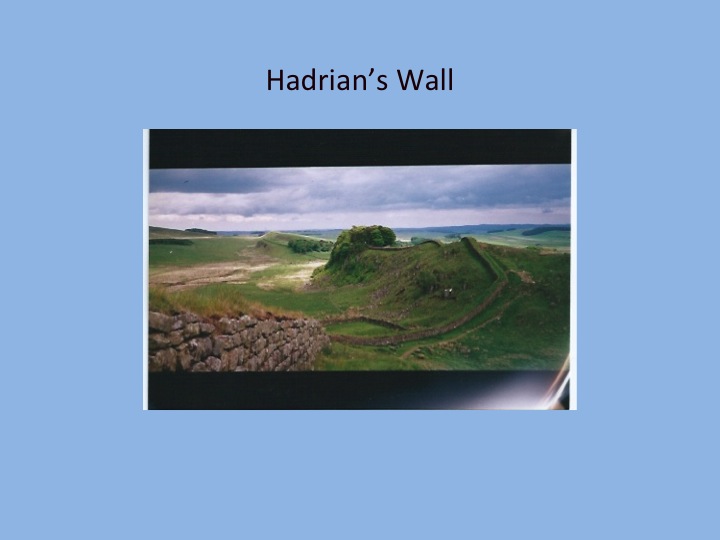
Hadrian’s Wall–as far north as the Romans got.

Slide12

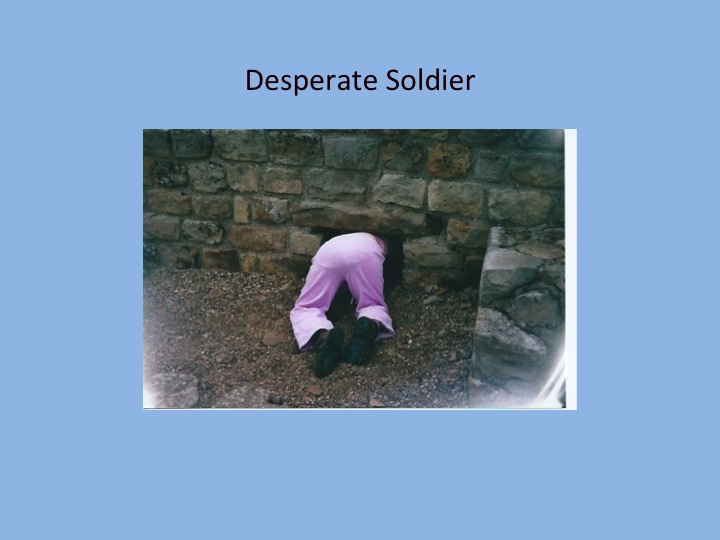
Young Roman soldiers.

Slide13

Attractive view of Sarah the Soldier.

Slide14

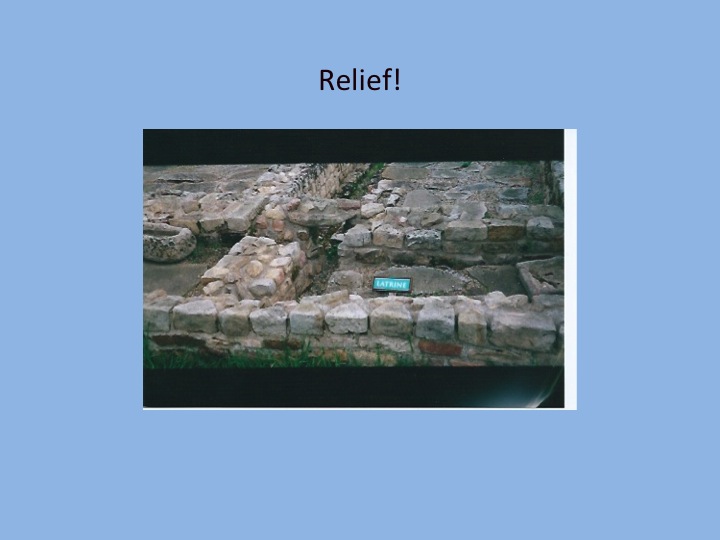
Latrine! At last!

I told them about the end of the Anglo-Saxon period as well.

A Norman Soldier at the actual Battle of Hastings. Well, the actual Hastings battlefield.

A Norman Soldier at the actual Battle of Hastings. Well, the actual Hastings battlefield.

Slide67As I reminded them: Life is a pilgrimage.

Full of devout pilgrims

Full of devout pilgrims

Slide70

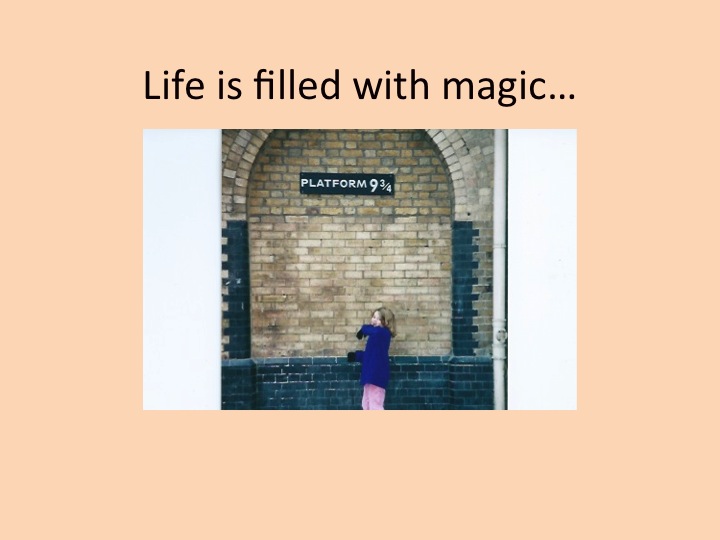
My daughter, Sarah, age 7, at King’s Cross Station.

Thanks to everyone at LASA for letting me be a high schooler again!


Follow me on Twitter: @medievalwomen

Riddle #25: Anglo-Saxon Poetry (1982) translated and edited by S. A. J. Bradley (Everyman)

Shop Talk with Susan Signe Morrison about Grendel’s Mother (2 of 2)

Boundless thanks to Candace Robb who interviewed me about the writing process for Grendel’s Mother: The Saga of the Wyrd-Wife. She graciously shared her blog twice and asked really probing questions that made me reflect on how–and why– I wrote the novel the way I did. I hope you enjoy this interview!

Follow me on Twitter: @medievalwomen

Susan Signe Morrison’s novel Grendel’s Mother: the Saga of the Wyrd-Wife (1 of 2)

Candace Robb, the best-selling medieval historical fiction and medieval mystery writer, has kindly interviewed me. Here is the first of two posts of that interview. Thanks so much for your generosity, Candace!

Follow me on Twitter: @medievalwomen
Kirkus Reviews calls the novel ‘Grendel’s Mother’–“An enchanting, poignant reimagining of Beowulf”

Grendel's Mother reviewed by Kirkus Reviews, the preeminent source for such reviews

Grendel’s Mother reviewed by Kirkus Reviews, the preeminent source for such reviews.

I’m so excited that Kirkus Reviews has so positively reviewed my book, a feminist version of the Old English epic, Beowulf. In addition to calling Grendel’s Mother an “enchanting, poignant reimagining of Beowulf,” the review also says:

“….Morrison writes in alliterative, lyric prose that evokes the Old English of her source text: ‘There she saw the soft seaweed, barnacled bed, of a marine monster. Leaving her work, approaching with caution, she listened for linnets along the lime lane.’ An incredible world is spun out of blunt, staccato words: a world of customs and objects, of heroes and faiths, and, of course, of monsters. Morrison manages to update the medieval morality of the original poem while preserving its mournful sense of the old ways passing away.

You can read the entire review here. Enjoy!

I think I’ll make a little toast to Grendel’s Mother–the lady and the character. Here’s the horn I’d like to use–filled with mead or ale.

Drinking horn from the British Museum

Late 6th-century drinking horn from the British Museum

Follow me on Twitter: @medievalwomen
 

Wall Covered in Gold…and Blood

Mythology is key to understanding Beowulf. As I told my colleague’s students in a recent guest lecture, MYTHIC STRUCTURES typical such those as articulated in, for example, Snorri Sturluson’s thirteenth-century Prose Edda,  function as follows.

Stature of Snorri in Bergen, Norway

Stature of Snorri in Bergen, Norway

Gods create Middle-Earth, building a wall to push away monsters, giants and frost ogres to the borders of the world. To celebrate and contain a space of peace they build a palace.

Thjazi and Loki. Beginning of the myth of the abduction of Idun, reported by Skáldskaparmál. Manuscript NKS 1867 4to (Iceland, 1760), Copenhagen, Royal Library

Thjazi and Loki. Beginning of the myth of the abduction of Idun, reported by Skáldskaparmál. Manuscript NKS 1867 4to (Iceland, 1760), Copenhagen, Royal Library

Eventually, chaos monsters transgress the borders, invade the space of peace (the palace), overcome the gods, and bring about the end of the world.

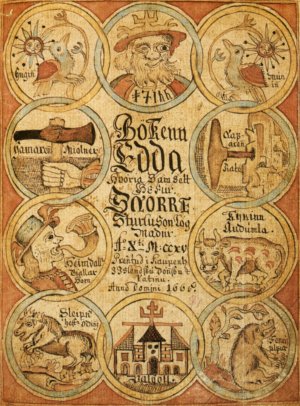
17th century version of Snorri's great work.

17th century manuscript of Snorri’s great work.  It contains a treasure-trove of Norse mythology.

STRUCTURES IN SAGA

On the level of saga, this structure is played out within the scope of a nation. You can read about Frothi here. He rules Denmark at the time of Emperor Augustus when peace reigns over the whole world. “No man injured another, even although he was confronted with the slayer of his father or brother, free or in bonds. Neither were there any thieves or robbers, so that a gold ring lay untouched for a long time on the Heath of Julling.” Frothi’s peace and prosperity is overrun by giant women who grind out an army with a mill: “With that the Peace of Frothi came to an end.”[1]

Fenja and Menja (giant women disguised as slave girls) at the mill. Illustration by Carl Larsson and Gunnar Forssell.

Fenja and Menja (giant women disguised as slave girls) at the mill. Illustration by Carl Larsson and Gunnar Forssell.

STRUCTURES IN BEOWULF

The mythic structure describe above is present in Beowulf on the level of the nation. Gods are displaced from the cosmic level to the human level and are replaced by a Christian God.

The skull of an Anglo-Saxon girl was found with a jeweled symbol of Christianity

The BBC reported in 2012 about a provocative and poignant discovery: the skull of an Anglo-Saxon girl was found with a jeweled symbol of Christianity

Scyld Scefing carves out a peaceful land. The border area is where monsters such as Grendel and his mother lurk. A hall is built by Hrothgar to celebrate the exclusion of such bad characters. But the joy is doomed to imminent sorrow.

The Anglo-Saxon feasting hall unearthed in Lyminge, Kent Photo: UNIVERSITY OF READING.

The Anglo-Saxon feasting hall unearthed in Lyminge, Kent Photo: UNIVERSITY OF READING. You can read about this discovery here.

The hall is invaded at night. Ultimately the nation is destroyed and dissolved. Beowulf rules for fifty years successfully (2732b-39a), but after he is killed, his kingdom is doomed (3014-27). The Lay of the Last Survivor expresses this sense of impending doom for once glorious kingdoms poignantly and succinctly2262b-66). All cultural artifacts will eventually tarnish and decay (lines 2255-6).

The walls will be destroyed. The gold-adorned walls will be covered in gore and blood.

The Anglo-Saxons saw Roman ruins from centuries before as the works of giants, now decayed

The Anglo-Saxons saw Roman ruins from centuries before as the works of giants, now decayed

[1] Snorri Sturluson, The Prose Edda, Jean I. Young, trans. (Berkeley: University of California Press, 1954): 118.

Follow me on Twitter: @medievalwomen